
Written and medically reviewed by Dr. R. S. Porter, D.C. · Doctor of Chiropractic · Last reviewed 2026
The great majority of back pain is mechanical: it comes from joints, muscles, and the everyday stress of how we sit, lift, and move, not from anything dangerous. That kind of pain usually improves with gentle movement and time. But a small number of cases have signs that deserve a closer look, and it helps to know the difference.
Before you call anyone, a quick self-check of what your pain is doing, and what it isn't, can tell you whether to try gentle self-care first or get it evaluated sooner.
What to check before you call
How did it start?
Pain after lifting, twisting, or a long day of poor posture is typically mechanical. Pain with no clear cause that's steadily worsening deserves earlier attention.
Does it move or stay put?
Pain that stays in the back or eases with position changes is usually mechanical. Pain that travels down a leg, especially below the knee, suggests nerve involvement worth checking.
What helps and what hurts?
Mechanical pain often eases with gentle movement and changes with position. Pain that's constant regardless of position is worth noting.
How are you sleeping and functioning?
Pain that's manageable and improving day to day is reassuring. Pain that wakes you at night or is steadily getting worse is a reason to be seen.
Get care promptly if
- Loss of bladder or bowel control, or numbness around the groin, seek urgent medical care
- Significant or progressive weakness or numbness in a leg
- Back pain after a significant fall or accident
- Fever, chills, or unexplained weight loss with back pain
- Pain that's constant, worse at night, and not improving
How we help
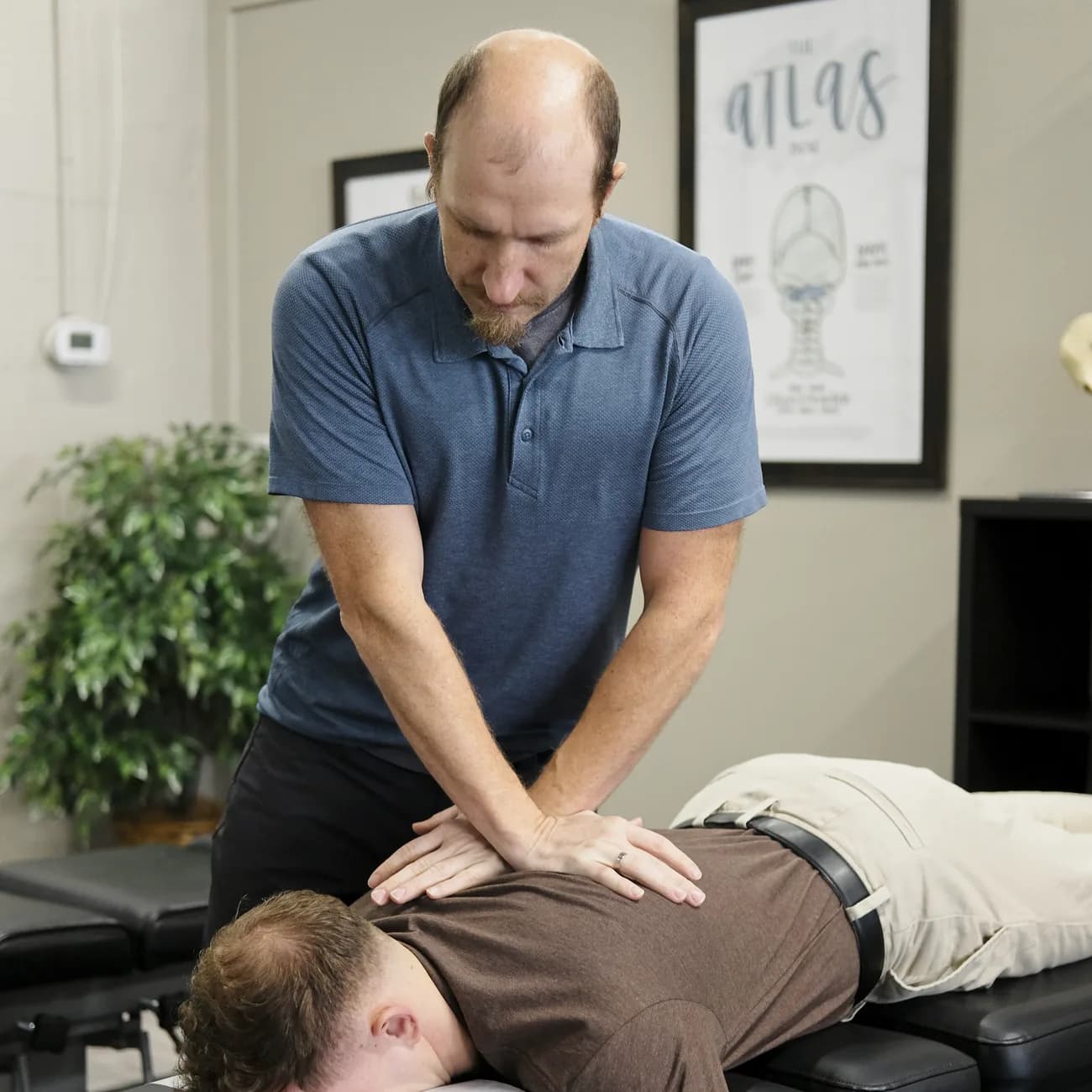
We look for what's actually driving your back pain rather than treating it as one generic problem. That means a real exam of how your spine and pelvis move, checking for nerve signs, and imaging only when it will change your plan, then gentle, specific care built around what we find.